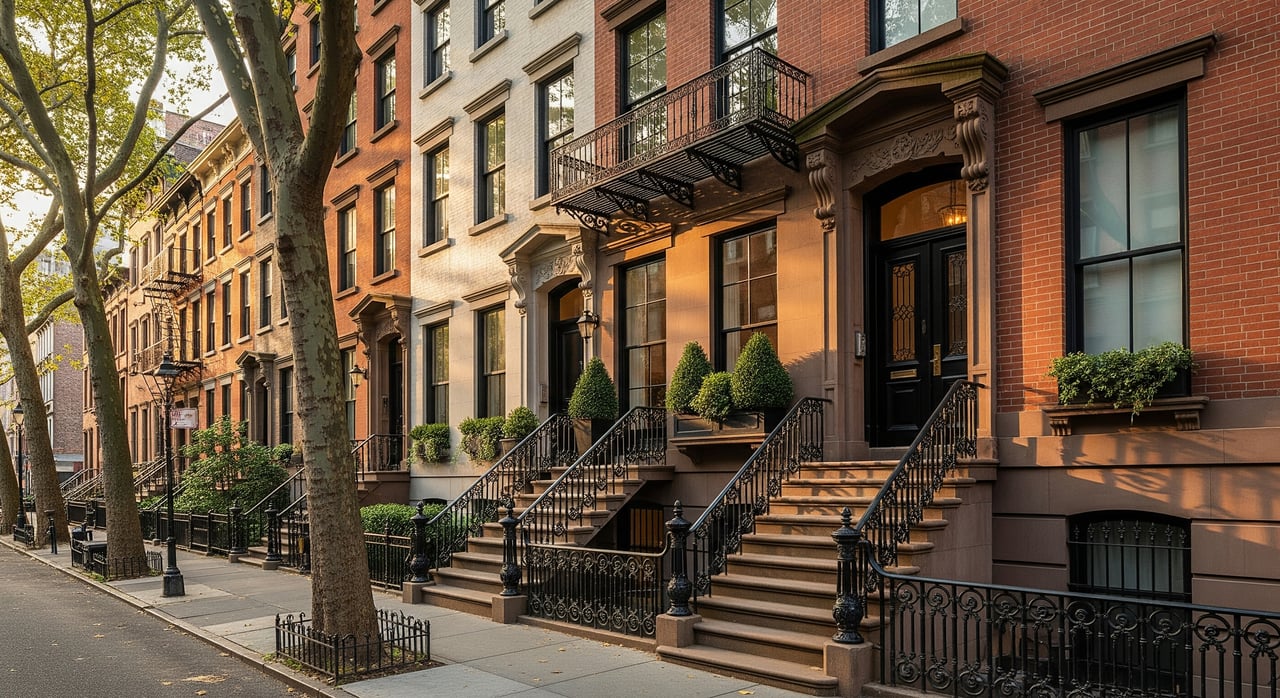
If you have wondered why West Village townhouses seem to disappear the moment they hit the market, you are not alone. The neighborhood’s historic charm, low-rise streets, and rare single-family homes create a level of demand that outpaces supply year after year. Whether you are considering a sale or hoping to buy a trophy brownstone, understanding what drives this market gives you a decisive edge. In this guide, you will learn the forces keeping West Village townhouses in high demand and how to navigate pricing, timing, and due diligence like a pro. Let’s dive in.
What sets the West Village apart
The West Village reads differently from most of Manhattan. Low-rise brownstones, narrow blocks, and a human-scale streetscape shape a calm, walkable environment that contrasts with high-rise corridors elsewhere in the city. Much of the neighborhood falls within New York City Landmarks Preservation Commission historic districts, which helps preserve facades, stoops, and street-facing details.
Location is another advantage. You are close to central job centers, multiple subway lines, Hudson River Park, and a deep roster of restaurants and boutiques. Buyers who want both convenience and a true neighborhood feel often start their search here.
The housing stock reflects the area’s history. Many homes date to the 19th and early 20th centuries. Some remain single-family, others were subdivided into apartments, and some have been converted back. Lots are typically narrow with multiple stories and may offer rear gardens or roof decks, subject to approvals.
Why supply stays tight
Landmark protections
Because significant portions of the West Village are landmarked, exterior changes often require a Certificate of Appropriateness. That oversight helps maintain the historic character and discourages demolition or major facade alterations. It also adds time and cost to renovations, which slows turnover and protects the existing townhouse stock.
Zoning and lot constraints
Contextual residential zoning limits building height, bulk, and density to fit the streetscape. Combined with modest lot sizes, these rules constrain large new projects and make lot consolidation difficult. The result is limited supply growth and few opportunities to create new townhouse equivalents.
Regulatory and financial hurdles
Between LPC approvals, Department of Buildings permitting, and community input, redevelopment can be expensive and time consuming. Construction and demolition costs in Manhattan further reduce the incentive to replace or expand properties. Many townhouses are held by long-term owners, so true single-family listings are scarce in any given year.
Why buyers prize West Village townhouses
Trophy scarcity
Scarcity drives a trophy dynamic. When a well-located, well-preserved, or well-renovated townhouse lists, it often draws high-net-worth interest and competitive bidding. Buyers view these homes as rare, irreplaceable assets in a prime location.
Historic character and provenance
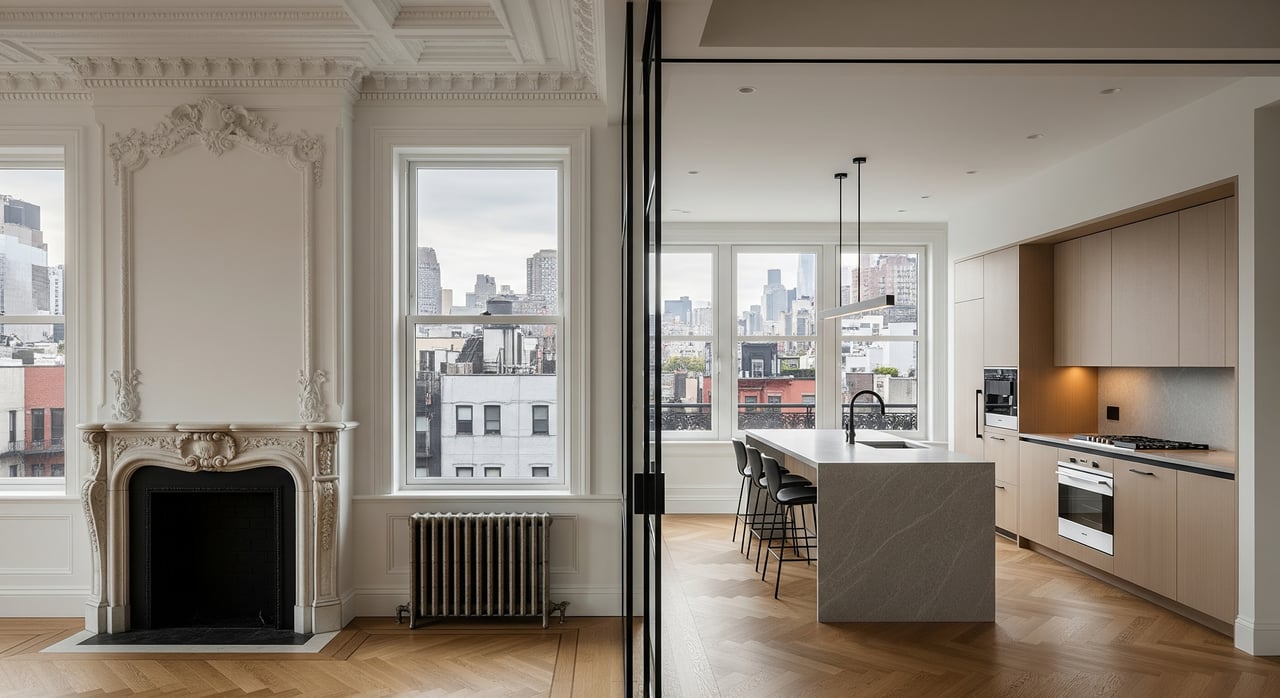
Original stoops, moldings, and facades carry emotional and financial weight. Provenance, such as a notable restoration or architectural pedigree, can enhance appeal. Cohesive, tree-lined blocks deliver curb appeal and lifestyle value that is hard to replicate elsewhere.
Privacy, space, and layout
Townhouses offer private entries, vertical separation of living areas, and frequently private outdoor space. For households that value privacy, multigenerational living, or separation between entertaining and sleeping floors, the townhouse format is compelling.
Outdoor space preferences
The pandemic spotlighted the importance of private outdoor space. Gardens, terraces, and roof decks have continued to command premiums. Listings with usable outdoor areas typically see stronger demand relative to similar properties without them.
Location, lifestyle, and prestige
Certain West Village streets carry cachet that resonates with buyers who want both a refined address and daily convenience. Walkability, dining, and access to the waterfront all amplify the neighborhood’s draw.
How pricing really works
Condition and outdoor space lead pricing
Scarcity sets a high baseline, and then condition decides how far you can push. A turn-key townhouse with updated systems, integrated historic details, and permitted improvements usually trades at a notable premium. Homes that need full renovation can sell at a discount to reflect time, risk, and construction costs. Private outdoor space is a reliable value driver, with gardens and roof terraces supporting higher price points.
Listing dynamics and comps
Because true West Village townhouses are rare, comparable sales can be limited and noisy. Some listings spark multiple offers and reset local benchmarks. Others need more time if pricing overshoots condition or layout realities. Appraisers and brokers often triangulate value using nearby townhouse sales and per-square-foot figures adjusted for lot width, configuration, and outdoor space.
Costs, taxes, and financing
At this price tier, buyers plan for transfer taxes and mansion tax thresholds at closing. Ownership typically carries higher maintenance and renovation budgets compared with newer condos, given older systems and structures. Many transactions are cash or involve significant equity, and lenders pay close attention to value, condition, and marketability.
What buyers should know
Prepare to compete
- Get financials in order. If financing, secure a strong pre-approval. If paying cash, line up proof of funds.
- Define your renovation tolerance and timeline. Factor in LPC approvals, permitting, and contractor availability.
- Focus on fundamentals. Lot width and depth, ceiling heights, and the quality of outdoor space often drive long-term value.
Build the right team early
- Engage an attorney experienced with New York townhouse transactions.
- Consult an architect familiar with LPC procedures to assess what is feasible.
- Work with a contractor who understands historic structures and DOB processes.
Do thorough due diligence
- Confirm landmark status, past LPC approvals, and whether any exterior work will need new approvals.
- Review Department of Buildings records for open permits, violations, and the Certificate of Occupancy history.
- Verify the legality of prior renovations and realistic options for interior reconfiguration or a roof deck.
What sellers should do now
Elevate condition and documentation
- Address deferred maintenance and consider targeted, tasteful updates that highlight period details.
- Gather approvals, warranties, and renovation records. Clear documentation builds buyer confidence and supports pricing.
- Consider strategic staging to help buyers visualize scale and use of vertical space.
Price and position thoughtfully
- With few direct comps, timing and positioning matter. Align pricing with current trophy inventory and recent, relevant sales.
- Lean into the home’s story. Provenance, preserved details, permitted upgrades, and outdoor areas all deserve premium placement in your marketing.
Market to the right audience
- Scarcity does not remove the need for standout presentation. High-quality visuals and a clear narrative help attract qualified, out-of-market buyers who value design and privacy.
- Distribution across premium channels and social-driven demand can accelerate results, especially for unique homes.
Why representation matters in the West Village
This segment requires precision. Landmark rules, narrow lots, unique layouts, and a small set of comparables can make both pricing and due diligence complex. You benefit from a team that understands townhouse mechanics, can articulate value to a global buyer pool, and can manage approvals and documentation with care.
The McKenzie Ryan Team specializes in high-end Manhattan townhouses and leverages design-led staging, social and earned media, and institutional distribution to surface the right buyers faster. For sellers, that means stronger presentation and broader reach. For buyers, it means early access and clear guidance on feasibility and value.
Ready to talk strategy for your West Village brownstone or a targeted search on your favorite blocks? Request a Private Consultation with The McKenzie Ryan Team to get a plan built around your goals.
FAQs
Why are West Village townhouses so scarce?
- Landmark protections, contextual zoning, and small lot patterns limit new supply and make redevelopment challenging, so the existing stock remains rare.
How do landmark rules affect renovations?
- Many exterior changes require Landmarks approval, which adds time and cost but preserves historic character and streetscape integrity.
Do outdoor spaces really impact value in this market?
- Yes. Private gardens and roof terraces are scarce and highly desired, and they typically support stronger demand and higher pricing.
What costs should buyers plan for beyond the purchase price?
- Transfer and mansion taxes, closing costs, and higher ongoing maintenance or renovation budgets typical of historic single-family homes.
What should sellers prepare before listing a townhouse?
- Documentation of permitted work, records of mechanical upgrades, tasteful staging, and a pricing strategy aligned with condition and recent relevant sales.