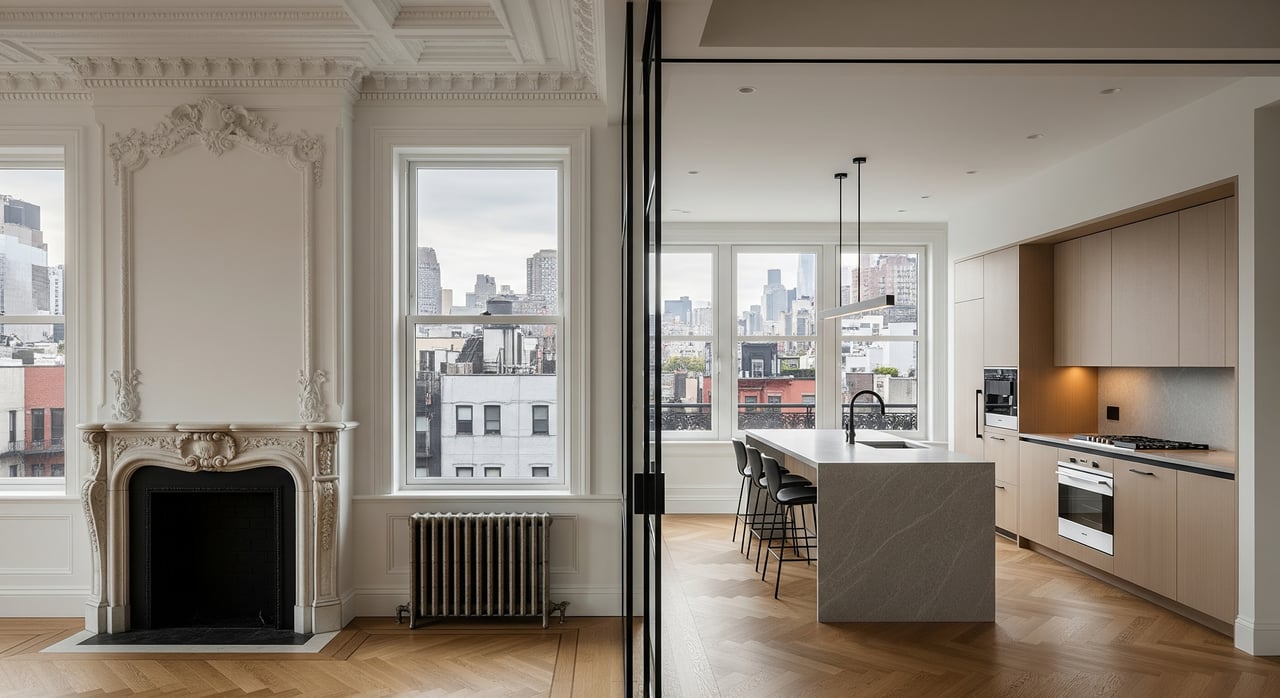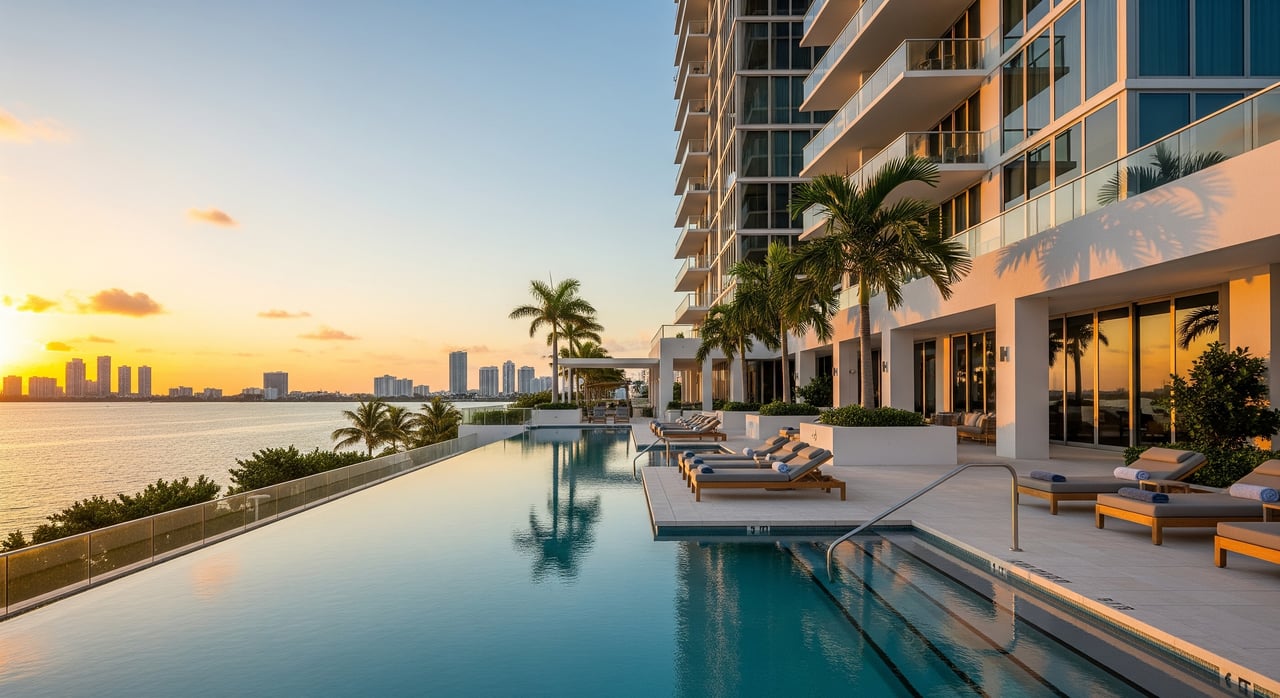
Ever wish you could own a piece of a Miami hotel, enjoy the amenities, and still earn rental income when you are not there? If you have been eyeing beachfront buildings or skyline towers that feel like resorts, you are likely looking at condo hotels. The idea is appealing, but the details matter because condo hotels blend hospitality and residential rules. In this guide, you will learn exactly how condo hotels work in Miami and Miami‑Dade, what to review before you buy, and the financing, insurance, and tax realities to expect. Let’s dive in.
Condo hotel, defined
A condo hotel is a building that operates like a hotel while individual units are owned by private buyers. You can stay in your unit for personal use and, when you are away, place it in an on‑site rental program that markets and manages short stays.
What makes it different from a typical condo is the hotel operation. You will see a front desk, housekeeping, concierge, and centralized reservations. Units are titled as condominium homes, but revenue is handled like a hotel business and shared with owners according to a set formula.
Ownership and use models
Personal use plus rental
Many owners use the unit for part of the year, then enroll in the building’s rental program for the rest. Rental rules often include blackout dates and maximum owner‑use limits that keep hotel operations consistent. Check the owner participation agreement for the fine print.
Investor‑focused use
Some buyers rarely use the unit. They rely on the hotel program year‑round, prioritizing cash flow and hands‑off management. You still own a condo, but the building runs as a hospitality operation.
How revenue flows
- Guest pays nightly rate, creating gross revenue for the hotel program.
- Management fees and operating expenses are deducted for services like housekeeping, reservations, utilities, and marketing.
- Buildings often fund reserves and may levy special assessments for capital projects.
- Net revenue is then distributed to participating owners based on the program’s formula.
Some buildings offer a fixed fee structure. Others are pure revenue share. Your net will vary with occupancy, average daily rate, seasonality, and management quality.
Miami‑area rules to know
Florida condominium governance
Condo hotels in Miami‑Dade are governed by Florida’s Condominium Act, which outlines association rules, reserves, assessments, and required disclosures. The condo declaration and bylaws should spell out hotel uses, rental programs, commercial space, voting rights, and reserve policies. Ask for the full condominium offering statement, association budget, recent audited financials, and all current operating agreements tied to the hotel program.
Short‑term rental and local taxes
Short‑term rental rules are municipal in Miami‑Dade. The City of Miami, the City of Miami Beach, and unincorporated Miami‑Dade can have different rules. Many residential buildings restrict short stays, while licensed hotels operate under a different framework. Condo hotels typically run as hotels, but how a city classifies your unit for permitting and taxes can vary. Short stays are subject to tourist and bed taxes. Confirm in writing who collects and remits these taxes, since some management companies handle it and others place the responsibility on owners.
Zoning, building, and safety
Zoning designations like hotel, residential, or mixed‑use affect permitted operations and licensing. In South Florida, building standards also emphasize hurricane protection, flood elevation, and life‑safety systems. Review flood zone status and the building’s permit and inspection history, including any hurricane mitigation upgrades.
Financing and insurance realities
Financing expectations
Lenders often view condo hotels as higher risk because of the hospitality component and pooled revenue. You will likely see fewer standard loan options, higher down payments, and higher interest rates than a typical residential condo. Some conventional, FHA, or VA products exclude condo hotel projects or require special approvals. Work with a mortgage professional who regularly places condo hotel loans and get a pre‑approval that matches this property type.
Insurance and coastal risk
Condo hotel buildings carry commercial property insurance, and you pay your share through association fees. In Miami‑Dade’s coastal zones, flood insurance is common and windstorm coverage is a major cost driver. Expect percentage‑based wind deductibles and confirm whether wind coverage is separate from general property insurance. Ask for flood zone data, elevation certificates, and the building’s claims history.
Taxes and ongoing costs
Rental income is taxable, and you can typically deduct expenses related to generating that income, including management fees, maintenance, and depreciation. Short stays trigger sales and transient occupancy taxes. Confirm how those taxes are handled in the rental agreement. Association fees are typically higher than standard condos because hotel‑level services require more staff and operating costs. Factor in potential special assessments, marketing or reservation fees, and inventory replacement charges.
Returns and the Miami market
Miami and Miami‑Dade attract condo hotel development because of tourism, conventions, cruise traffic, and year‑round demand from leisure and business travel. That demand can support occupancy and rates, yet income is variable. Track occupancy, average daily rate, and revenue per available room over multiple years when available. New hotel supply, regulatory changes, and macroeconomic shifts can affect performance. Hurricanes can also create temporary closures and repair costs. The best predictor of your potential outcome is historical revenue and expense data for your unit or closely comparable units in the same building.
What to review before you buy
Documents and agreements
- Condominium declaration, bylaws, and the full public offering statement.
- Current association budget, reserve study, and the last two to three years of audited financials.
- Hotel management agreement and any master lease, including termination and fee terms.
- Owner rental participation agreement that sets owner‑use limits, blackout dates, fees, and distribution formulas.
- Developer control provisions and any exclusive marketing or use agreements.
Financial performance
- Historical monthly revenue and occupancy for your unit or closely comparable units, ideally for multiple years.
- A detailed breakdown from gross revenue to net owner distributions, including management, housekeeping, marketing, utilities, and reserves.
- The hotel operation’s P&L and how revenues are allocated to individual units.
Physical condition and risk
- Recent reserve study and capital improvement plan.
- Building inspection reports and any ongoing or planned construction.
- Flood zone designation, elevation details, hurricane mitigation features, and insurance claims history.
Legal, tax, and local rules
- Verify short‑term rental, hotel, and licensing requirements with the City of Miami, City of Miami Beach, or Miami‑Dade County, depending on location.
- Confirm how transient occupancy taxes are collected and remitted.
- Check for existing or proposed special assessments.
- Consult a local real estate attorney and a CPA with hospitality experience before finalizing terms.
Financing and resale
- Confirm loan programs available for the specific project with lenders who handle condo hotels.
- Understand resale constraints. Some buyers prefer standard condos, which can narrow the pool.
- Review any transfer, leasing, or occupancy restrictions that could affect value.
Is a condo hotel right for you?
You might be a fit if you want hotel‑style services, plan to visit seasonally, and want rental income potential without self‑managing bookings. You value convenience, professional operations, and on‑site amenities.
Think carefully if you want full‑time occupancy, prefer total control over rentals, or need mainstream financing at the best rates. Also pause if you are not comfortable with higher HOA fees, potential special assessments, or variable income tied to tourism cycles.
Next steps in Miami
- Define your goals. Rank personal use, net income, and lifestyle amenities.
- Get pre‑approved with a lender experienced in condo hotel loans.
- Shortlist buildings in Miami, Miami Beach, and unincorporated Miami‑Dade that match your use plan.
- Request full condo and hotel program documents and past financials before making an offer.
- Engage a local condo attorney, CPA, and insurance advisor early.
- Build a conservative pro forma that includes hurricane, insurance, and tax assumptions.
If you want a curated shortlist, document review support, and a negotiation strategy aligned with your goals, connect with the team at McKenzie Ryan for a private consultation tailored to Miami’s condo hotel market.
FAQs
How does a Miami condo hotel work?
- You own a titled condo unit in a building that operates as a hotel, and you can place your unit in the on‑site rental program to earn income when not using it.
Can I use my unit anytime in Miami condo hotels?
- Often yes, but most programs cap owner‑use days and include blackout dates; verify limits in the owner participation agreement and condo documents.
Are HOA fees higher in Miami condo hotels?
- Generally yes; hotel‑level services like 24‑hour front desk, housekeeping, and on‑site staff increase operating costs and association fees.
How hard is financing a Miami condo hotel purchase?
- Financing is more limited than standard condos, with higher down payments and rates common; work with lenders who regularly fund condo hotels.
Who collects taxes on short stays in Miami‑Dade condo hotels?
- Short stays are taxable; management often collects and remits tourist and bed taxes, but confirm responsibility in the rental agreement.
What insurance should Miami condo hotel owners expect?
- The building carries commercial property insurance passed through HOA fees; expect separate windstorm and flood considerations, plus percentage deductibles.